Java apps
A Java app resource makes a JVM workload a first-class member of the CloudShell environment. Applications can depend on the Java service by resource identity and endpoint instead of embedding a machine-specific address.
Note
Java app resources and the Java launcher are in preview. Local project and artifact paths are privileged inputs for a trusted development host.
What you get
- JVM-aware execution. Run a JAR or main class with explicit JVM and application arguments.
- Connected dependencies. Relate the service to brokers, databases, configuration, secrets, and other applications.
- Operational context. Start and stop the service, open endpoints, and inspect logs, health, monitoring, and activity.
- Language-neutral telemetry. Preserve trace context across HTTP or messaging boundaries when the app emits OpenTelemetry data.
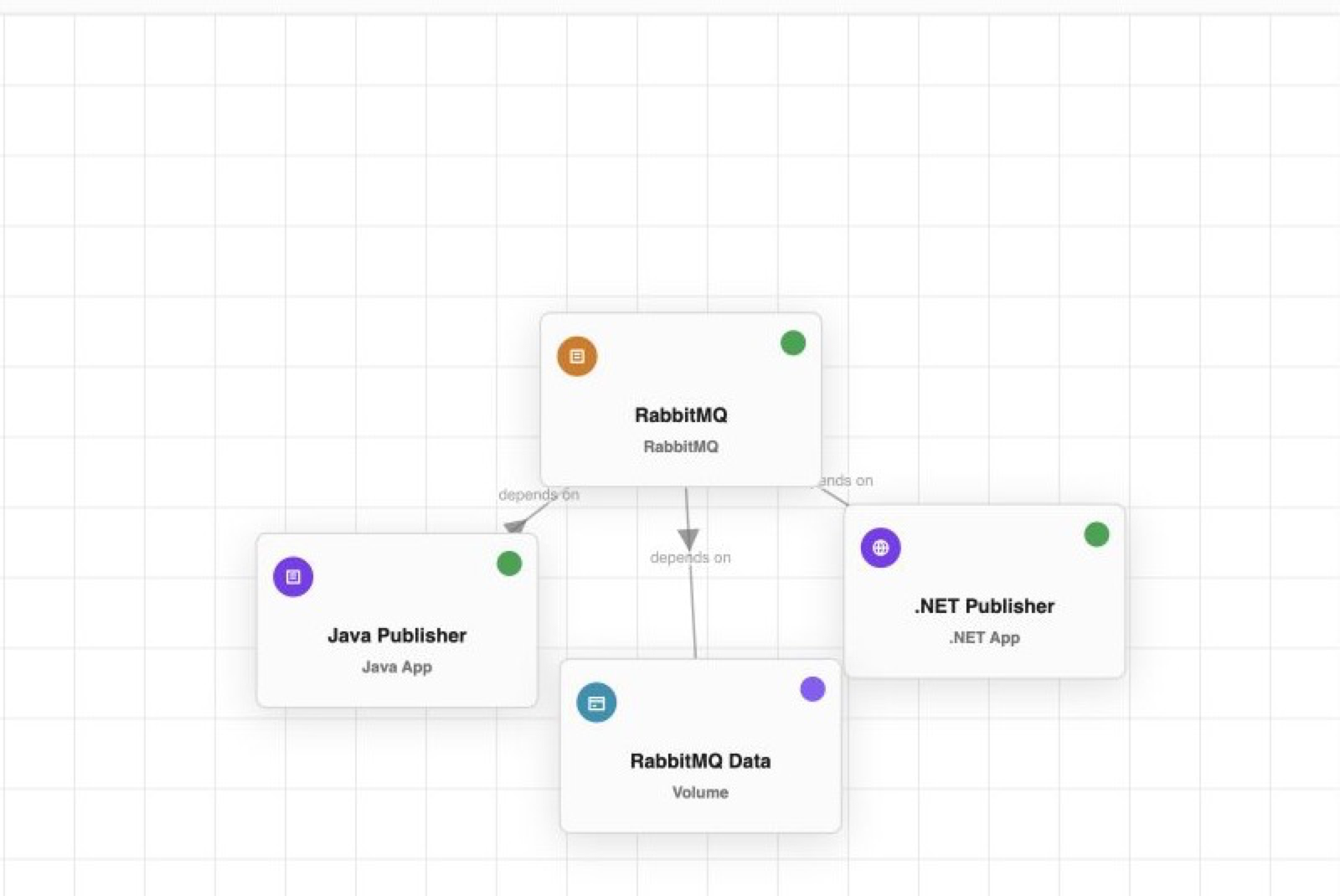
Minimal resource template
resources:
  - type: application.java-app
    name: java-api
    project:
      path: ./app
    artifactPath: ./target/app.jar
    endpoints:
      - name: http
        protocol: http
        targetPort: 8080
        port: 8080
        exposure: Local
Use mainClass and classPath instead of artifactPath when the workload is launched by class name.
When to choose it
Choose a Java app for fast local iteration on a trusted host. Use a container app when the JAR should run from an image or needs a stronger deployment boundary.